LaTeX templates and examples — Two-column
Recent
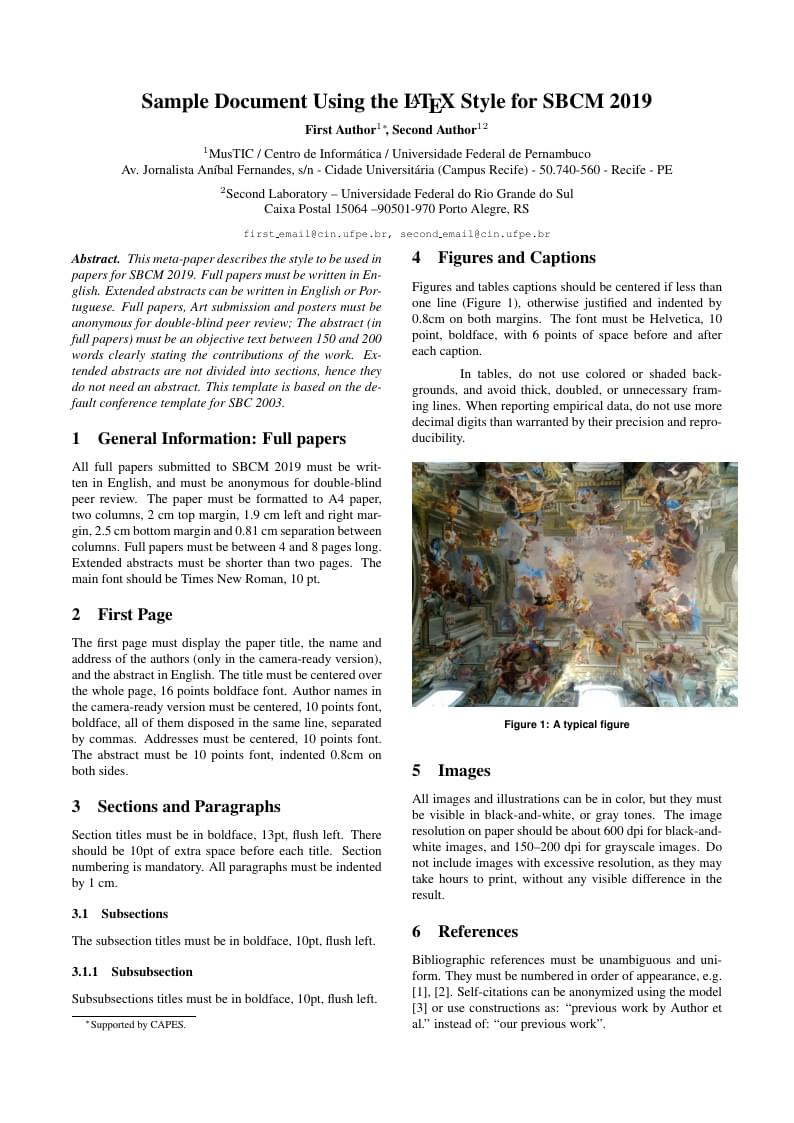
Template for the Brazilian Symposium on Computer Music 2019

Cour 1 ere AS
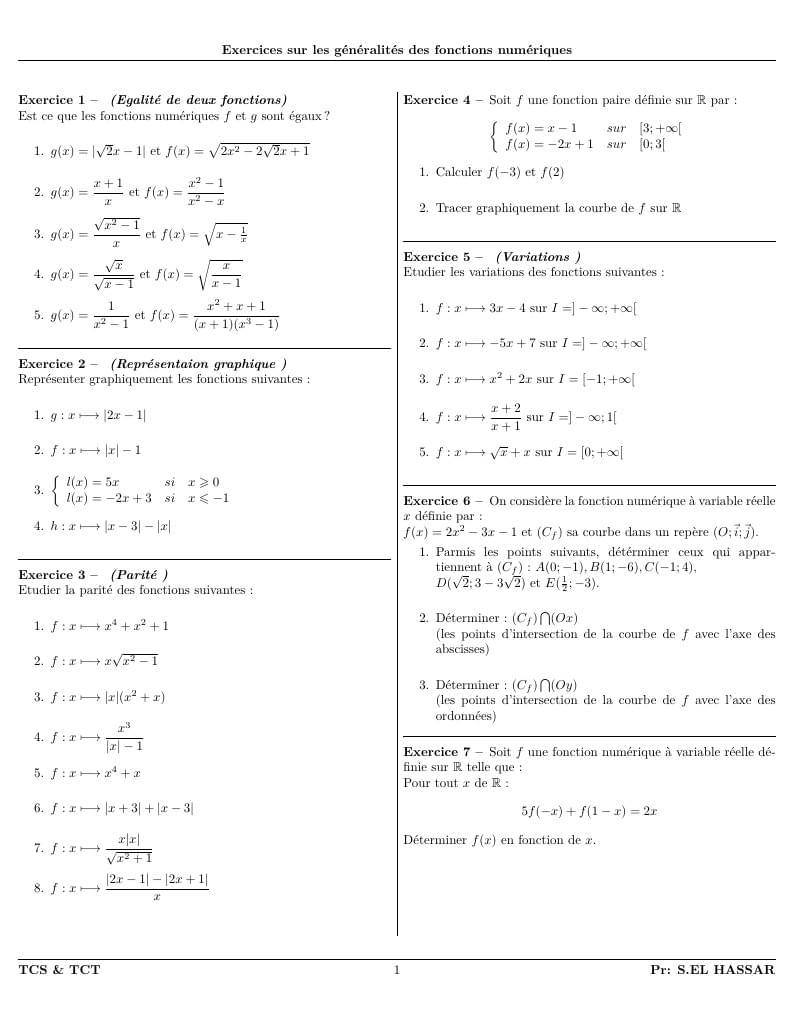
généralités sur les fonctions exercices
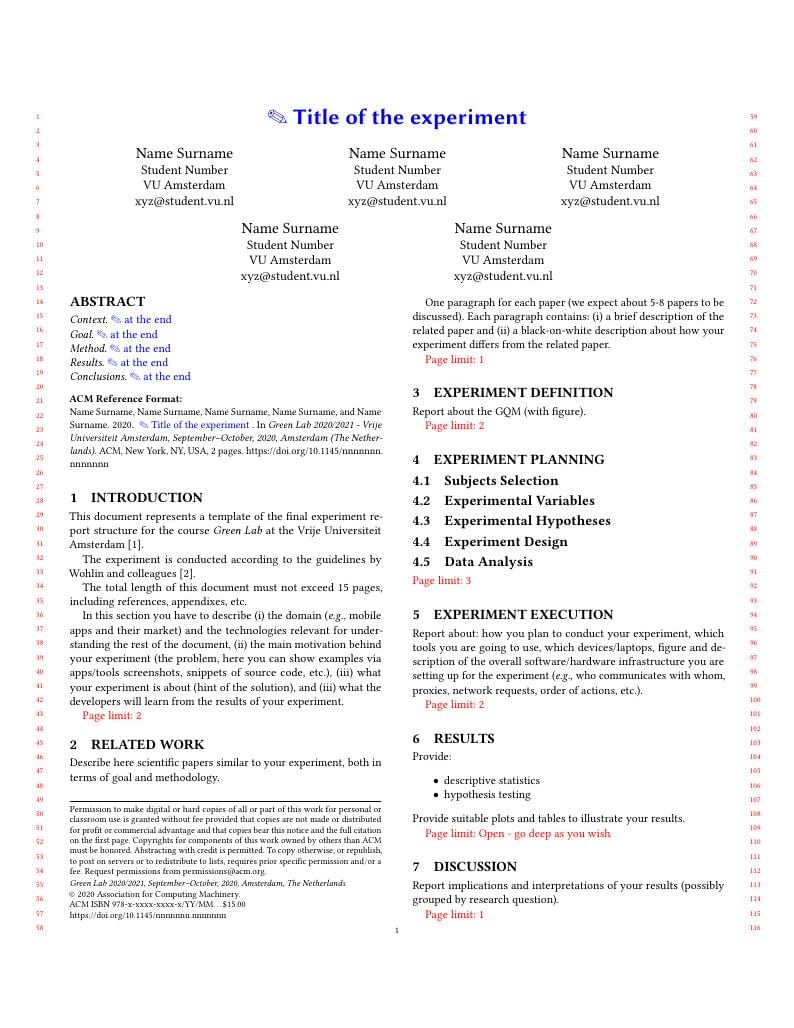
This document represents the template of the final experiment report structure for the Green Lab course at the Vrije Universiteit Amsterdam, The Netherlands. It is based on the acmart proceedings template. The Green Lab course Students allows students to work in teams to perform experiments on software energy consumption in a controlled environment.
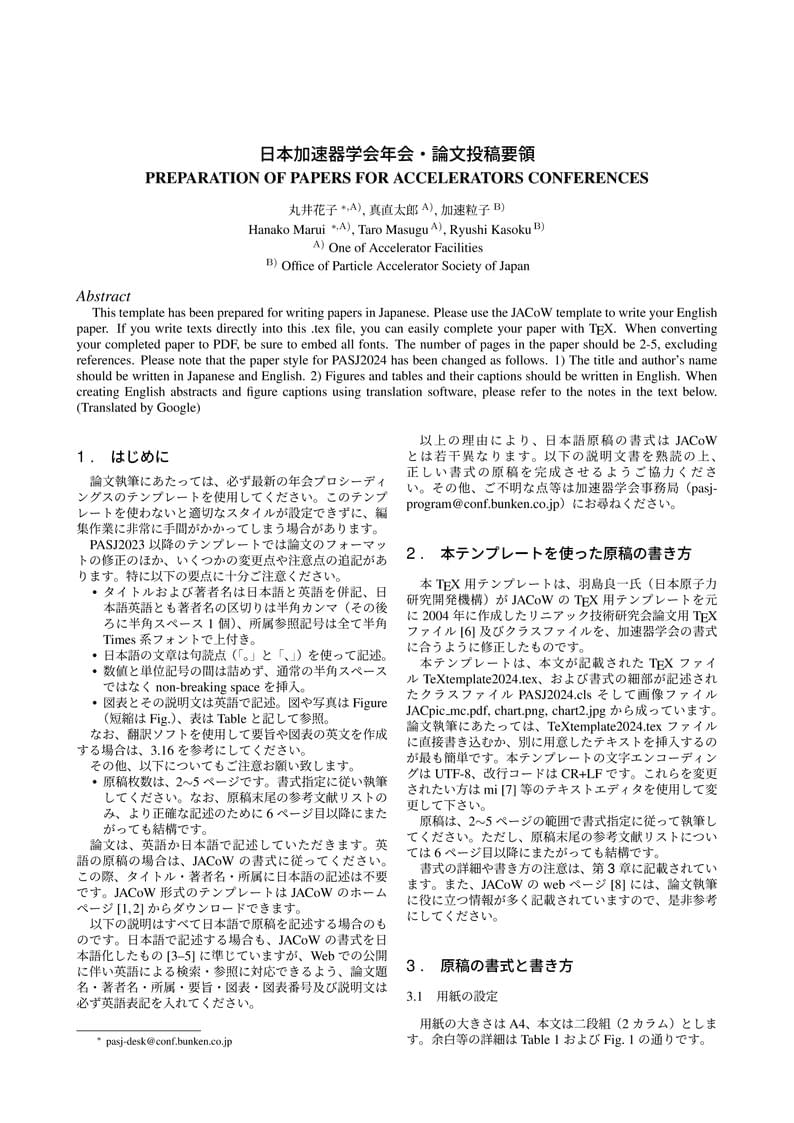
Particle Accelerator Society of Japan (PASJ) Template of proceedings of annual meeting of PASJ, 2024 version Please choose "LaTeX" engine for upLaTeX processing, or choose "LuaLaTeX" engine for LuaLaTeX processing. Results are mostly the same. 2024年版の加速器学会年会プロシーディングス(TeX用テンプレートファイル)作成案内、兼PDFファイル作成サンプルが含まれています。LaTeX (upLaTeX) または LuaLaTeX でコンパイルすることが できます。 (c) 2024 Particle Accelerator Society of Japan. All Rights Reserved. Kazuro Furukawa
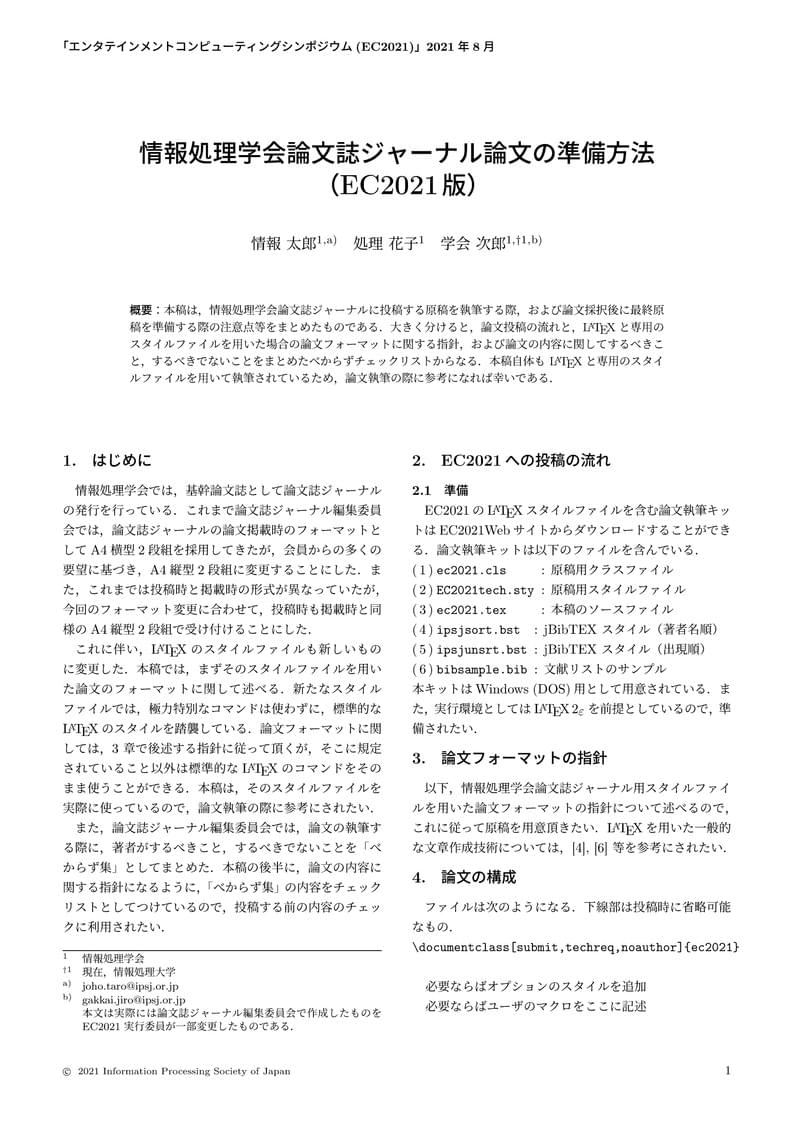
情報処理学会エンタテインメントコンピューティング2021のテンプレートです。
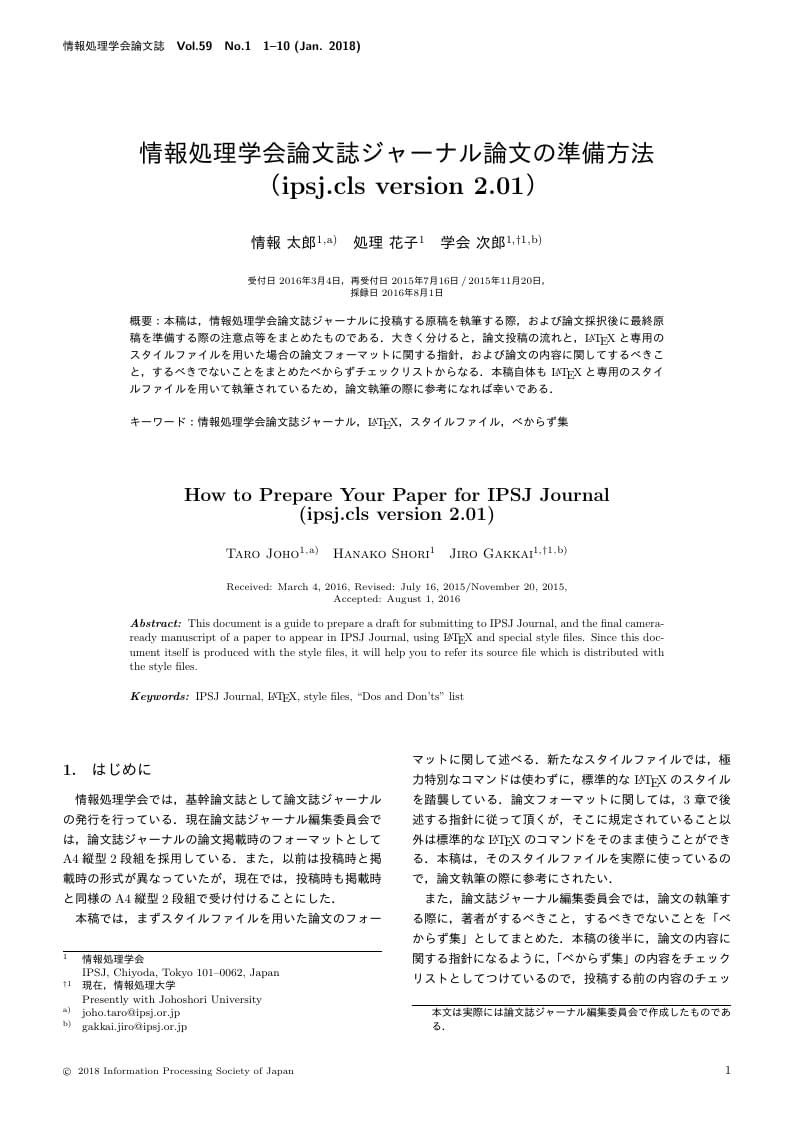
情報処理学会 > 論文誌 > 論文誌ジャーナル > LaTeXスタイルファイル、MS-Wordテンプレートファイル https://www.ipsj.or.jp/journal/submit/style.html から LaTeX スタイルファイル(2018年11月6日更新)をダウンロードし,次の手順でテンプレート化しました. Overleaf で日本語を使えるよう設定 [Menu] → [Settings] → [Compiler] を(デフォルトの pdfLaTeX から)LaTeX に変更 latexmkrc を作成(pLaTeX + dvipdfmx を使用) (参考: http://doratex.hatenablog.jp/entry/20180503/1525338512) (LaTeX スタイルファイル)ipsj_v4 > UTF8 フォルダにある全てのファイルを Overleaf にアップロード [Menu] → [Settings] → [Main document] を(デフォルトの pdfLaTeX から)jsample.tex に変更
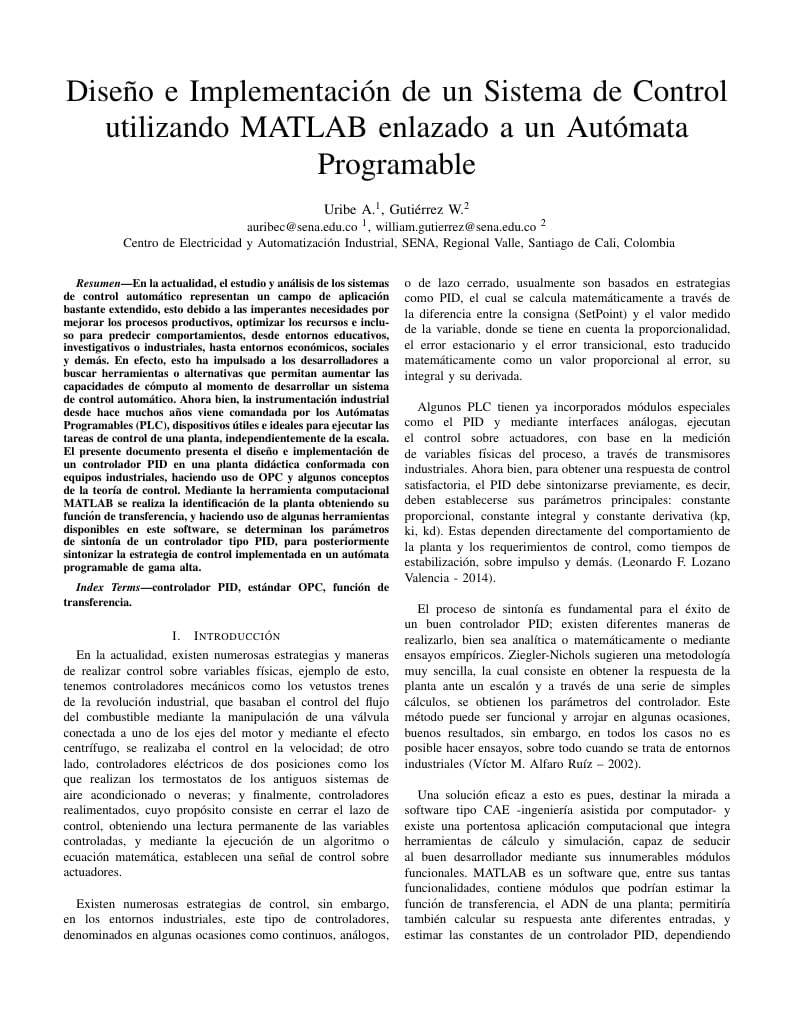
En la actualidad, el estudio y análisis de los sistemas de control automático representan un campo de aplicación bastante extendido, esto debido a las imperantes necesidades por mejorar los procesos productivos, optimizar los recursos e incluso para predecir comportamientos, desde entornos educativos, investigativos o industriales, hasta entornos económicos, sociales y demás. En efecto, esto ha impulsado a los desarrolladores a buscar herramientas o alternativas que permitan aumentar las capacidades de cómputo al momento de desarrollar un sistema de control automático. Ahora bien, la instrumentación industrial desde hace muchos años viene comandada por los Autómatas Programables (PLC), dispositivos útiles e ideales para ejecutar las tareas de control de una planta, independientemente de la escala. El presente documento presenta el diseño e implementación de un controlador PID en una planta didáctica conformada con equipos industriales, haciendo uso de OPC y algunos conceptos de la teoría de control. Mediante la herramienta computacional MATLAB se realiza la identificación de la planta obteniendo su función de transferencia, y haciendo uso de algunas herramientas disponibles en este software, se determinan los parámetros de sintonía de un controlador tipo PID, para posteriormente sintonizar la estrategia de control implementada en un autómata programable de gama alta.
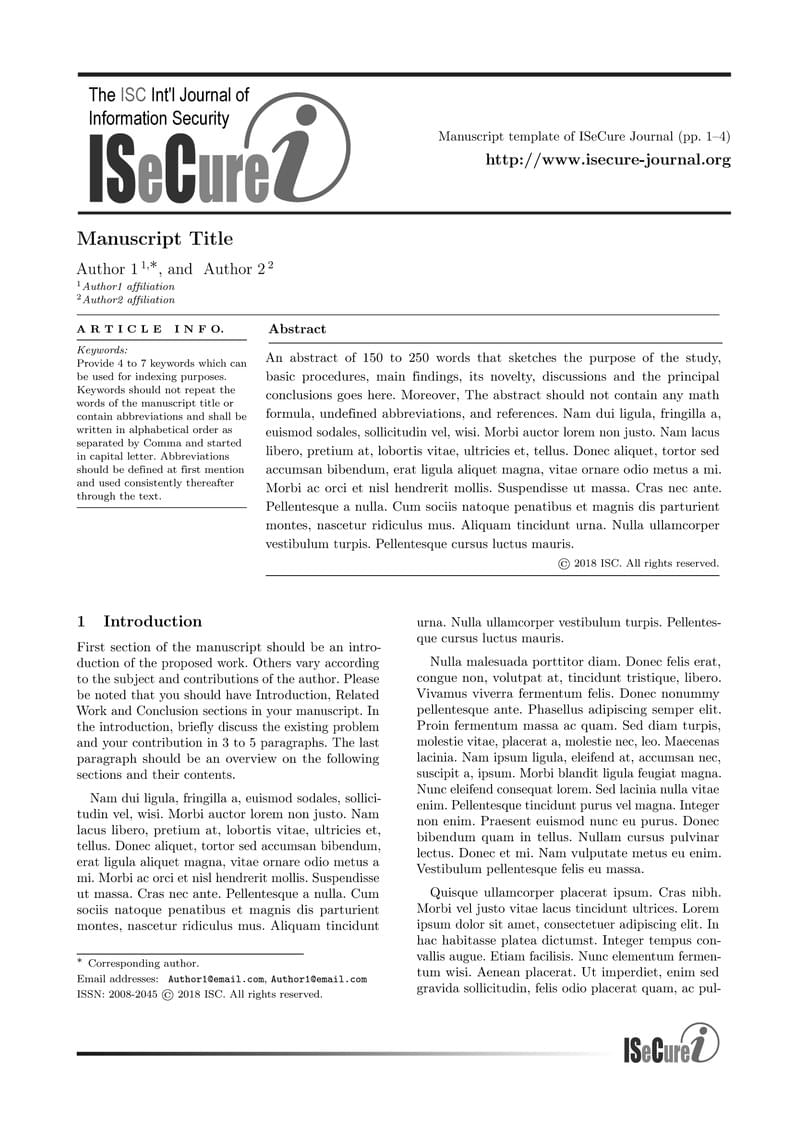
This is an official template of The ISC International Journal of Information Security (ISeCure). ISeCure is a peer reviewed scholarly publication by Iranian Society of Cryptology. ISeCure is published biannually in print and online with full texts of articles made available for free on the website of the journal under ISeCure open access policy. ISeCure is devoted to publishing theoretical scholarship on a variety of topics related to information security. The intended audience of the journal is any person with an interest in information security from an academic perspective such as engineers, mathematicians and computer scientists. A partial list of topics for review by the journal can be found in the Aims and Scope section. Manuscript types for submission are research papers, review papers, case reports, short communications and letters to the editor. More information about the policies of the journal can be found on the About Journal and mostly in the Publication Ethics pages. To start a new submission, please first read the Guide for Authors page for detailed information about manuscript format, style and other requirements. Manuscript submission, refereeing and publishing are completely free of charge. New manuscripts should be submitted online by the corresponding author through the website after registration. Articles published in ISeCure Journal are indexed in the Emerging Sources Citation Index (ESCI) database of Web of Science/ISI and Scopus.
\begin
Discover why over 30 million people worldwide trust Overleaf with their work.